I’ve been building and converting vans for a little over ten years now, and Van build is one of those phrases that sounds simple until you’re deep into your first real project. I came into the industry from a fabrication background, initially doing small utility conversions, before moving into full camper and work-van builds. Over the years, I’ve seen beautifully finished vans that failed on the road, and rough-looking builds that performed flawlessly for years. That contrast shaped how I think about what really matters.
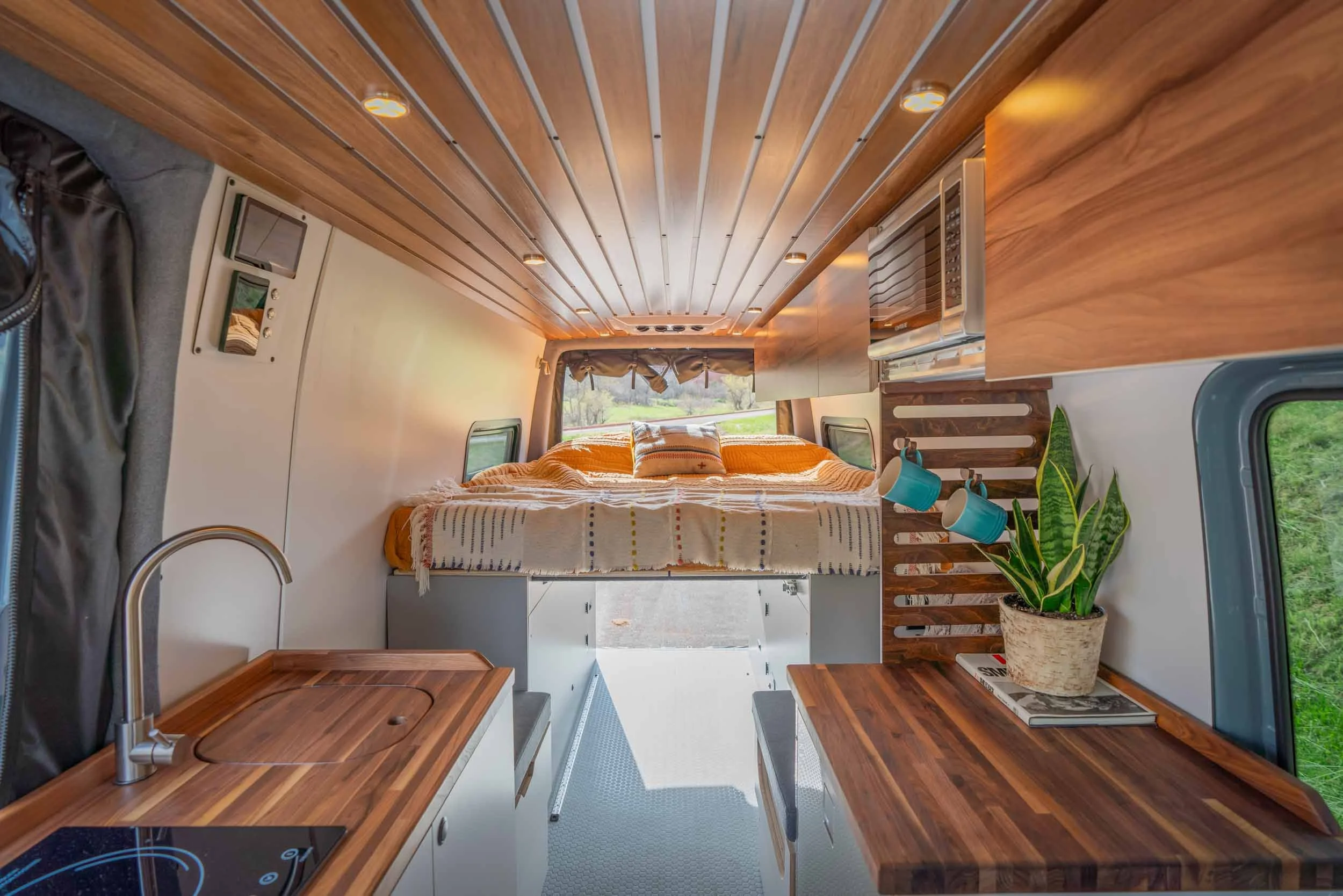
The first full van build I managed on my own taught me a lesson I still repeat to clients. We focused heavily on aesthetics early—wood finishes, layout symmetry, lighting—while postponing decisions about wiring routes and service access. A few months later, a minor electrical issue required removing half the interior to reach one hidden junction. That mistake cost days of labor and a lot of frustration. Since then, I design every build around access and serviceability before looks.
In my experience, the most common mistake people make is underestimating systems integration. A van isn’t a tiny house—it’s a moving machine that vibrates, heats up, cools down, and flexes. I’ve worked on vans where rigid plumbing cracked after a few thousand miles, simply because movement wasn’t accounted for. I’ve also seen insulation trap moisture behind walls because airflow wasn’t planned. Those aren’t beginner mistakes; they’re planning mistakes.
Power systems are another area where I’ve become opinionated. Bigger isn’t always better. I’ve had clients insist on oversized battery banks that added weight without real benefit. One contractor I worked with last year downsized his electrical setup after realizing he never used more than a fraction of what he installed. The van drove better, charged faster, and became more reliable overnight. Matching systems to actual use always wins.
I’ve also learned to respect weight distribution the hard way. Early in my career, I helped finish a delivery van where heavy storage was placed entirely on one side. Within months, suspension wear became noticeable. Now, every van build starts with load planning, not cabinetry sketches. How weight sits over the axles affects handling, braking, and long-term wear far more than people expect.
Another overlooked factor is how people actually live or work inside the van. I’ve had clients request layouts that looked great on paper but forced awkward movement in practice. One client, after using his van for a season, asked for a complete interior rework because the galley blocked natural flow. Watching people use their vans in real conditions has taught me that simplicity almost always outperforms clever design.
After a decade in this field, my perspective is steady. A successful van build prioritizes structure, systems, and serviceability first, then comfort, then appearance. Vans that last are the ones built around real use, not assumptions. When the foundation is right, everything else ages better—and the van becomes a tool you trust rather than a project you constantly fix.