As a licensed cosmetologist who has spent nearly ten years fitting, cutting, and maintaining human hair wigs for everyday clients, I’ve seen how much difference the right piece can make in someone’s confidence and routine. People often assume the biggest decision is color or length, but in my experience, the real question is how the wig will behave after a long day, a bit of weather, and normal life. That is where human hair usually earns its place. It moves more naturally, responds better to heat styling, and tends to feel more familiar to people who want a look that does not seem overly polished or artificial.
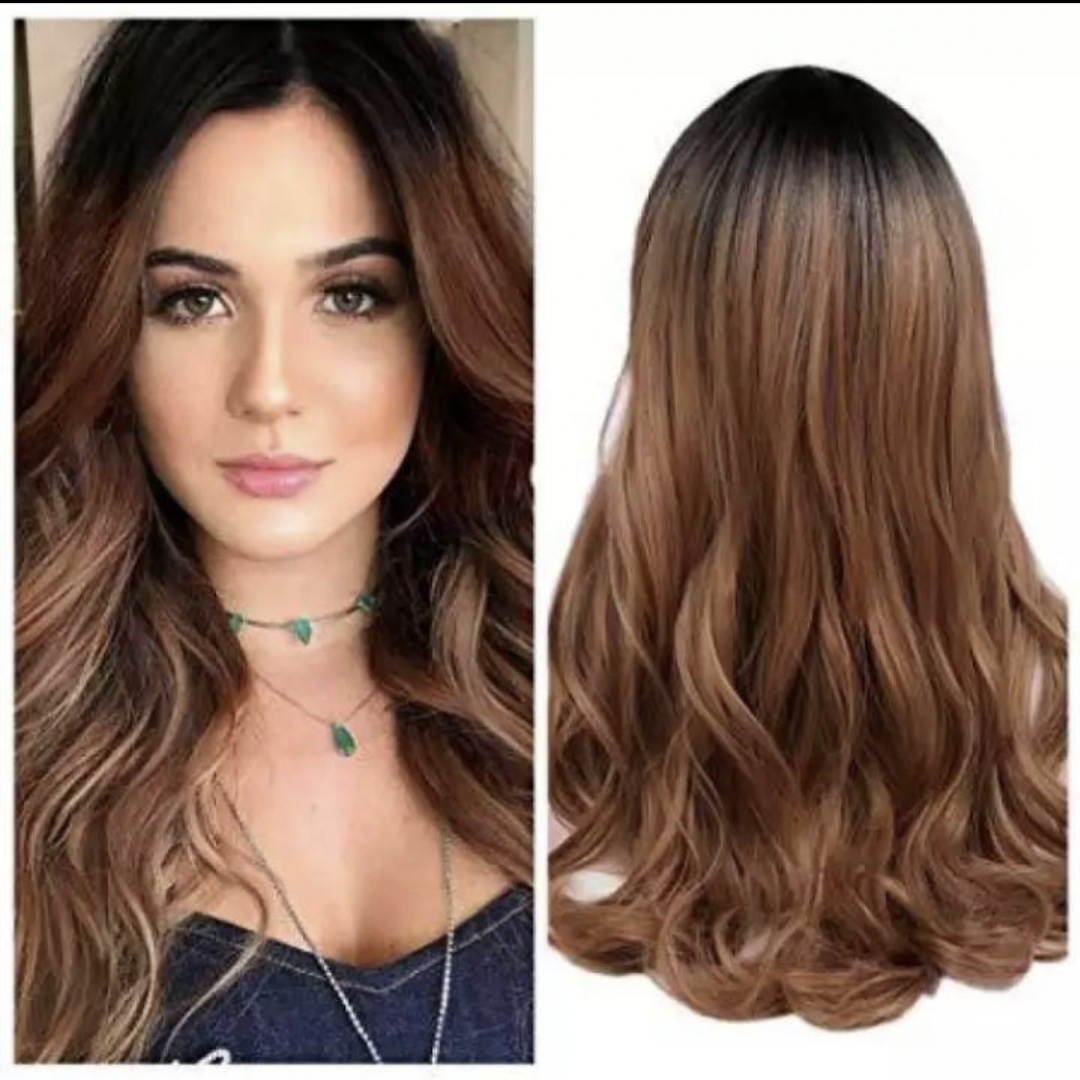
I started taking human hair wigs more seriously early in my career after working with a client who had tried several synthetic options and kept feeling disappointed. She was not asking for anything dramatic. She wanted hair that parted naturally, tucked behind the ear without springing back oddly, and looked believable in daylight. Once we switched her into a human hair unit with a softer density, her entire attitude changed. She stopped overchecking herself in the mirror. That told me something important: realism is not always about perfection. It is often about movement, softness, and the little imperfections that make hair look lived-in.
One thing I always explain to clients is that human hair wigs are not automatically the best choice for everyone. I recommend them most strongly for people who want flexibility and are willing to care for the hair properly. If you expect to wash a wig carelessly, sleep in it often, and brush through it roughly, human hair can disappoint you just as quickly as anything else. I had a customer last spring who invested in a beautiful unit but treated it like it needed no upkeep because it was “real hair.” Within a short time, the ends were dry and the shape had gone flat. After I trimmed it, reset the style, and walked her through a gentler routine, she understood that good hair still needs good habits.
That said, human hair does give you options that many wearers appreciate. You can add a bend with a hot tool, soften the parting, or change the finish depending on the occasion. I’ve found that clients who wear wigs regularly for work or social events often prefer that flexibility. A woman I worked with during the colder months told me she was tired of owning wigs that looked fine on day one but never quite looked like her after that. She wanted to curl the front away from her face some days and smooth it down on others. Human hair gave her that freedom without the stiff look she had been fighting before.
The mistake I see most often is people focusing only on the word “human hair” and ignoring construction. Hair quality matters, but cap fit, lace design, density, and hairline shape matter just as much. I have seen expensive units look unconvincing simply because the cap sat too far back or the density was too heavy around the face. A well-made wig should not force you to battle it every morning.
For anyone trying to decide, I usually say this: choose human hair if you want versatility, a more natural feel, and a wig that can be shaped around your habits rather than just worn one way. When the fit is right and the hair suits your routine, it stops feeling like an accessory and starts feeling like you.